Examining Sound Layering Techniques That Enhance Immersion Levels During Extended Sessions in Portable Slot Environments
Felix Russell · Aug 23, 2026
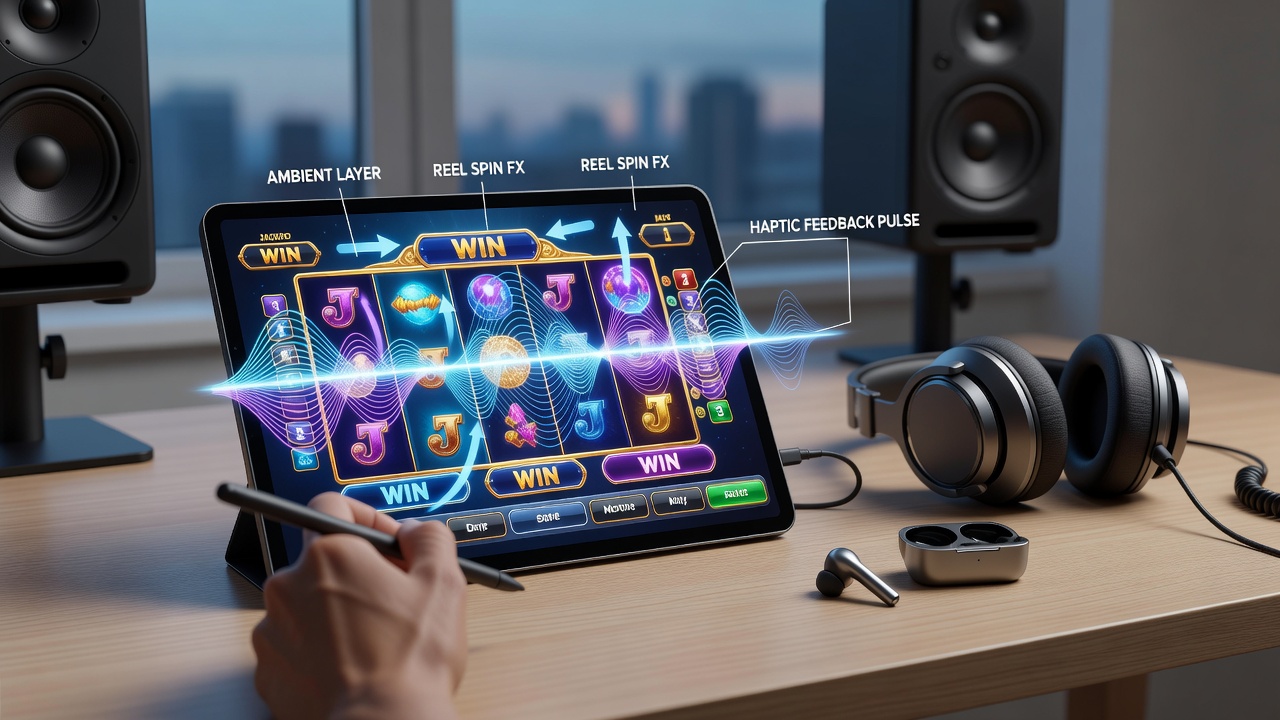
Examining Sound Layering Techniques That Enhance Immersion Levels During Extended Sessions in Portable Slot Environments
Portable slot environments rely on carefully constructed audio designs that combine multiple sound elements into unified experiences which players encounter across extended mobile sessions and sound layering stands at the center of these constructions because it allows developers to blend background tracks with reactive effects and ambient details without creating audio clutter.
Core Components of Sound Layering in Mobile Slots
Developers build layers that include base music loops, spinning reel sounds, win chimes, and environmental cues while each layer operates at adjustable volumes that respond to gameplay events and device settings. Research from the University of Alberta indicates that such layering maintains player attention during sessions that extend beyond thirty minutes because the audio shifts prevent repetition fatigue and sustain engagement through dynamic changes.
One technique involves separating primary reel audio from secondary atmospheric sounds so that the main game mechanics remain clear while background elements add depth and studies show this separation helps users distinguish between winning combinations and ongoing play without auditory overload on smaller mobile speakers.
Adaptive Techniques for Prolonged Play Sessions
Adaptive layering adjusts intensity based on session duration and player activity levels and data collected by industry monitoring tools reveals that volume modulation between high-energy win sequences and quieter base play periods reduces listener strain during multi-hour sessions on portable devices. As of August 2026, refinements in mobile audio processing have enabled smoother transitions between these layers through improved device APIs that handle concurrent tracks with lower latency.
Another approach uses spatial audio positioning where certain sounds appear to originate from different virtual locations around the player and this method creates a sense of three-dimensional space even when users rely on stereo headphones or built-in phone speakers and observers note that such positioning contributes to sustained focus by varying auditory perspectives throughout the session.
Device-Specific Considerations in Portable Environments
Mobile hardware limitations influence how layering functions because battery constraints and speaker quality vary across devices yet developers compensate by prioritizing essential layers and reducing less critical ones during extended use and figures from gaming hardware analyses confirm that optimized layering extends play time without excessive power drain. People who study mobile audio patterns often discover that compression algorithms applied selectively to background tracks preserve clarity in foreground effects while maintaining overall immersion.
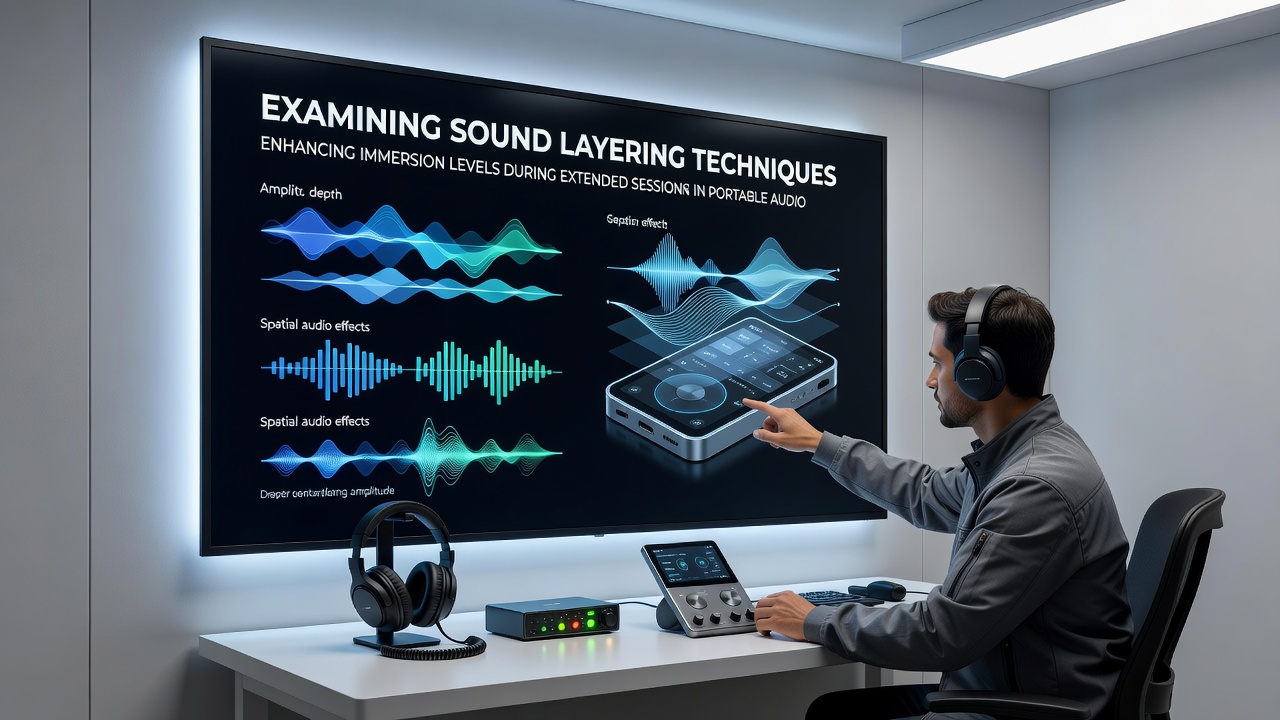
Headphone versus speaker playback presents further variables and layering strategies differ accordingly with headphone modes emphasizing subtle details and speaker modes boosting core frequencies to cut through ambient noise and evidence from device testing labs shows these adjustments help maintain consistent immersion levels regardless of the listening method chosen by the user.
Research Findings on Immersion and Session Length
Academic examinations of audio design in gaming environments have tracked how layered soundscapes affect time perception and one investigation conducted at the University of Southern California found that balanced layering correlates with longer voluntary session durations because the audio provides ongoing variety without demanding constant visual attention. Those who analyze player behavior data report similar patterns across portable platforms where layered audio supports continued interaction during breaks in active gameplay.
Regulatory bodies in various regions collect information on user experience metrics and reports from the Australian Communications and Media Authority highlight how audio features factor into overall engagement measurements for digital gaming products and these records demonstrate that effective layering contributes to session continuity when implemented with attention to audio balance and device compatibility.
Implementation Examples Across Game Titles
Several mobile slot titles released in recent years incorporate progressive layering that introduces new audio elements as session milestones pass and this gradual addition prevents early repetition while building complexity over time and industry case examples illustrate how such progression aligns with extended play without overwhelming initial users. Observers note that titles using this method show measurable differences in retention statistics compared to those relying on static soundtracks.
Conclusion
Sound layering techniques in portable slot environments combine multiple audio tracks with adaptive controls and spatial elements to support immersion across extended sessions and available research along with device-specific optimizations demonstrate measurable effects on player engagement and session continuity. Continued refinements in mobile audio technology as seen in 2026 developments suggest further evolution in how these layers function across diverse hardware and listening conditions.